
Belgium
Belgium for beer lovers: two brewery tours in the old centre of Bruges, 16 euros for an adult, with a beer or a tasting.
- 1culinary experience
Culinary experiences in Belgium
 Michiel Dumon, CC BY-SA

Regions in Belgium
 Tim Adams, CC BY
Map of Belgium
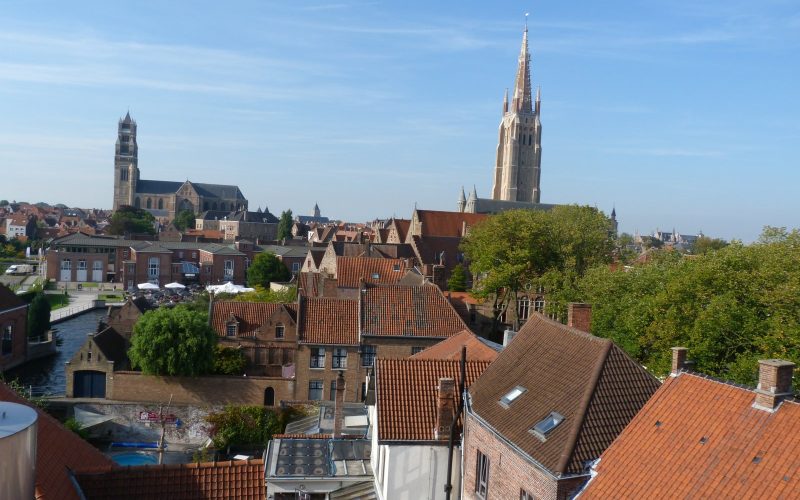
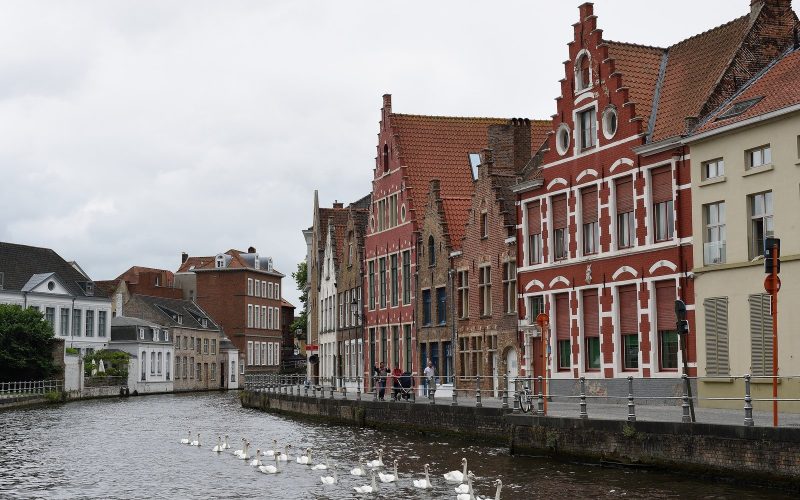
Belgium’s beer culture is on UNESCO’s list of the intangible cultural heritage of humanity, and the country brews a wide range of styles, from abbey and Trappist ales to the sour red-brown beers of Flanders. Its experiences in this guide are in Bruges, where two breweries in the old centre, De Halve Maan and Bourgogne des Flandres, run guided tours that end with a beer or a tasting, for 16 euros for an adult.
Getting around
Brussels Airport is the main international gateway, and trains link Brussels with Bruges. Bruges station is on the edge of the old centre, a walk or a bus ride away.
Belgium’s brewers and their house
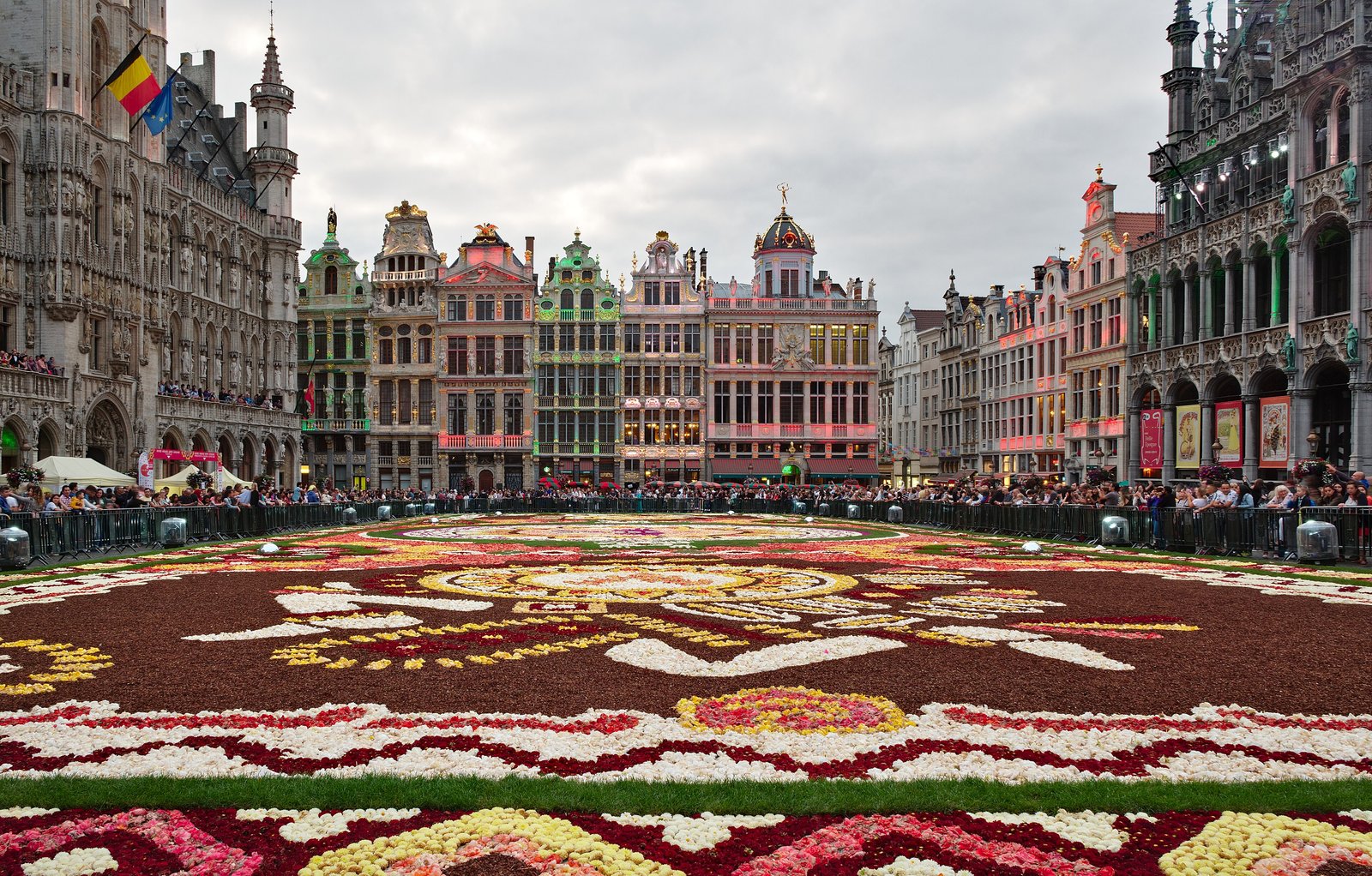
Belgian Brewers, the national federation, traces its history to the medieval guilds and calls itself one of the oldest professional associations in the world. Its headquarters, the Brouwershuis (Brewers’ House) in Brussels, can be visited, the federation runs the Belgian Beer World experience, and on the first weekend of September each year it holds the Belgian Beer Weekend on the Grand Place in Brussels.
What UNESCO protects in Belgium
Beer culture in Belgium was inscribed in 2016 on the Representative List of the Intangible Cultural Heritage of Humanity. UNESCO’s description counts almost 1,500 types of beer produced with different fermentation methods, notes that craft beer has grown since the 1980s, and that some Trappist communities brew and give the profits to charity.
- Beer also goes into Belgian cooking, in beer-washed cheese for example, and is paired with food as wine is.
Trappist, a protected word
The International Trappist Association unites Trappist abbeys whose products are made within the walls of the monastery or in its immediate vicinity, under the supervision of the monks and nuns, to support the community and works of charity. The products are sold through selected outlets.
Every product made within the walls of a Trappist monastery is a Trappist product, says the association, but the Authentic Trappist Product (ATP) label is granted only to member abbeys, and only on application.