
Greece
Greece for food lovers: olive oil, feta and street food, with guided food tours in Athens from 49 to 88 euros per adult, compared by length and age.
At a glance
- A country of olive groves, from the mainland to the islands
- Six food tours compared in Athens, from 49 to 88 euros per adult
- Feta, the brined sheep’s and goat’s milk cheese, protected by its name
- Street food built on souvlaki and gyros, wrapped in pita
- 1culinary experience
Culinary experiences in Greece
 User:Jpatokal, CC BY-SA
Regions in Greece
 JaedosdeDelos, CC BY-SA
Map of Greece
What to taste in Greece
Olive oil
The base of Greek cooking, poured over salads, vegetables and bread.
Feta
A white cheese of sheep’s milk, sometimes with goat’s milk, matured in brine.
Souvlaki and gyros
Grilled skewers and meat cooked on a vertical spit, served in pita with tzatziki.
Spanakopita
A filo pie of spinach and feta, sold in bakeries.
Loukoumades
Small fried dough balls soaked in honey syrup.
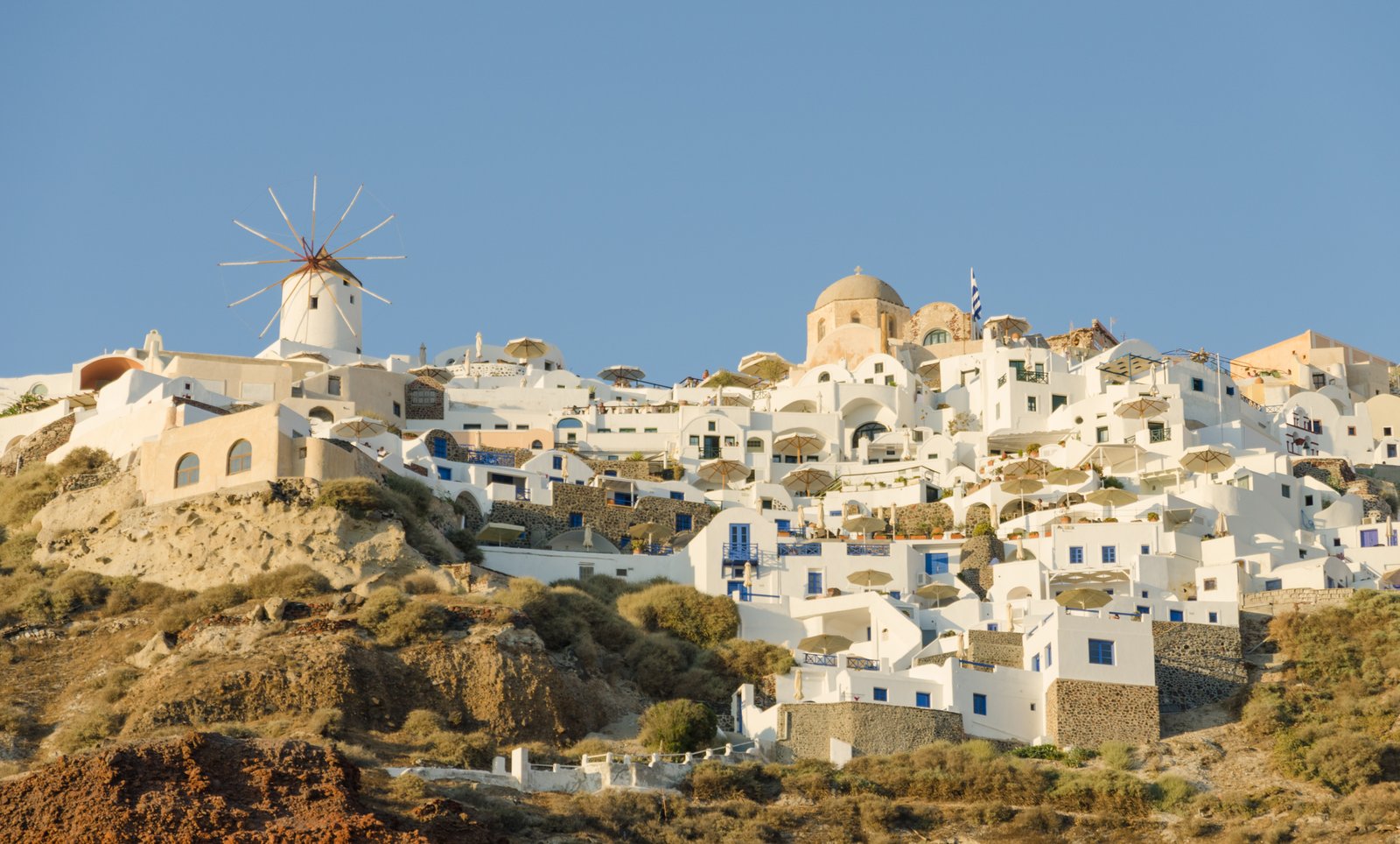
Greece stretches from the Balkan mainland to thousands of islands in the Aegean and Ionian seas, and the olive tree grows almost everywhere in between.
Greece, a cuisine built on olive oil
- Olive oil: the first ingredient of most dishes.
- Filo pies: spinach, cheese or leeks wrapped in thin pastry.
- Cheese: feta above all, crumbled over salads.
Feta, a name with rules
Feta is a protected designation of origin, registered on the basis of a Greek ministerial decision of January 1994. Its specification calls it the most popular of the Greek cheeses, made in Greece “since the time of Homer”.
- Milk: sheep’s milk alone, or mixed with goat’s milk up to 30% of the milk’s weight.
- Area: Macedonia, Thrace, Thessaly, Central Mainland Greece, the Peloponnese and the prefecture of Lesbos.
- Ripening: in wooden or metal vessels of 7% brine, 15 days at 18 °C, then in rooms at 2 to 4 °C, for two months at least in all.
- Label: “FETA cheese PDO”.
Three grapes and their home ground
The earliest evidence of wine in Greece is dated to about 6,500 years ago, and Greek wine already held high prestige in Italy under the Roman Empire.
- Assyrtiko: a white grape native to Santorini, whose old vines have resisted phylloxera. It keeps its acidity as it ripens.
- Agiorgitiko: “St George’s grape”, native to Nemea and grown mainly in the Peloponnese.
- Xinomavro: “sour black”, the main red of Macedonia, centred on the town of Naousa.
Athens first
- The capital: the six food tours compared in this guide walk its old centre.
- The islands: reached by ferry from Piraeus, the port of Athens, or by domestic flights.
“Eating together is the foundation of the cultural identity and continuity of communities throughout the Mediterranean basin”, says UNESCO, which inscribed the Mediterranean diet of Greece and six other countries on its intangible heritage list in 2013.
Before you go
- Arriving: Athens International Airport is the main gateway, with ferries and domestic flights on to the islands.
- Heat: summers are hot and dry. Spring and autumn suit walking tours best.
- Meal times: lunch and dinner are eaten late, dinner often after 9 pm.
- Alcohol: the minimum legal age to buy alcohol in Greece is 18.
Frequently asked questions
How much is a food tour in Greece?
49 to 88 euros per adult for the six Athens food tours compared in this guide (2026 prices).
What food is Greece known for?
Olive oil, feta, souvlaki and gyros, filo pies such as spanakopita, and honey pastries such as loukoumades.
When is the best time for a food trip to Greece?
Spring and autumn, when walking tours are more comfortable than in the summer heat.
Where should a Greek food trip start?
In Athens, where the guided food tours in this guide take place.