
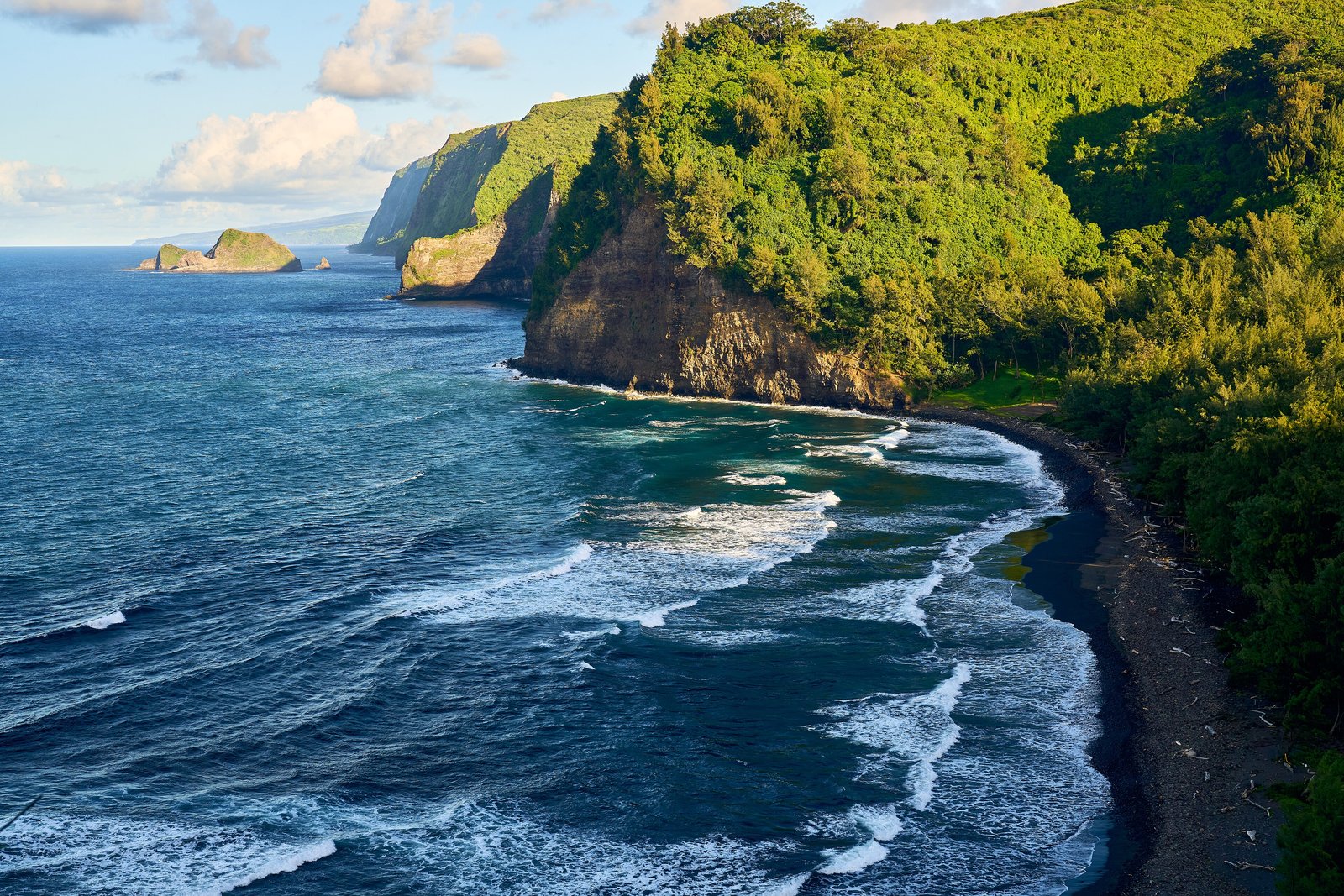
Hawaii
Hawaii for coffee lovers: Kona coffee farm tours on the Big Island, free to 35 dollars per person, with tastings and practical tips.
- 1culinary experience
Culinary experiences in Hawaii
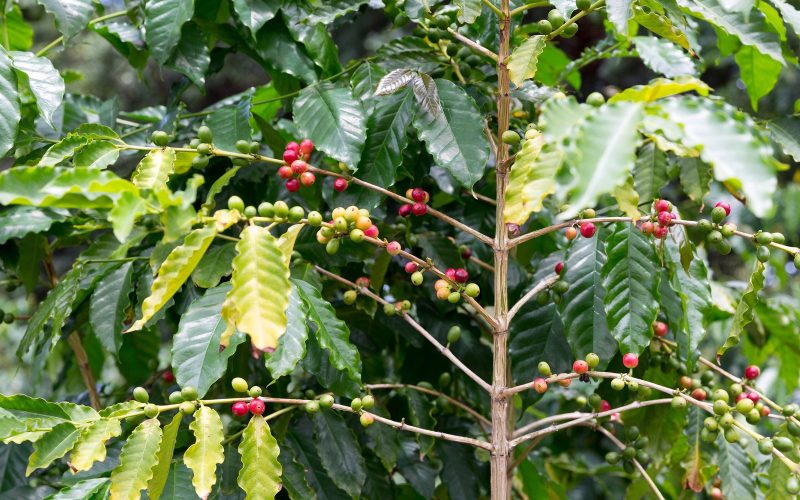 Ekrem Canli, CC BY-SA
Cities and towns in Hawaii
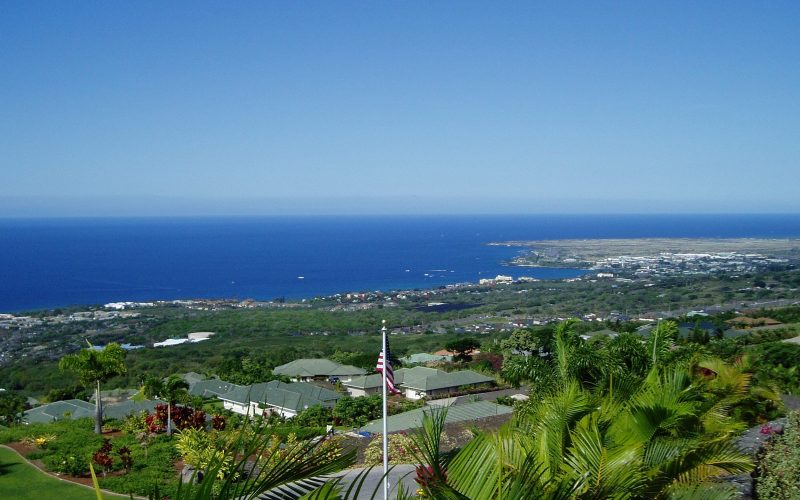 Travisthurston, CC BY-SA
Map of Hawaii
Hawaii is an archipelago in the middle of the Pacific Ocean. Its largest island, Hawaii, known as the Big Island, grows Kona coffee on the western slopes of the Hualālai and Mauna Loa volcanoes. Three farms there are compared in this guide, with tours that cost from nothing to 35 dollars per person.
Reading a bag of Kona coffee in Hawaii
The Kona Coffee Farmers Association, the growers’ non-profit, tells buyers to read labels closely. Under Hawaii’s rules a “Kona Blend” has to contain only 10% genuine Kona coffee, and the other 90% can be anything else. Look instead for 100% Kona, and for the grade.
- Kona Extra Fancy: the top grade of the Type I bean and the largest, measuring 19/64 of an inch (about 7.5 mm).
- Estate Grade is not an official grade: farmers use it for Extra Fancy, Fancy, Number 1, Select and Prime beans as they come off the farm together.
- The association credits the Big Island’s climate and its porous, organic volcanic soil for the coffee’s character.
Kona’s coffee festival
Each November the Kona Coffee Cultural Festival runs for ten days and honours Kona’s cultural heritage and the achievements of Kona coffee pioneers, farmers and artisans. It calls itself Hawaii’s oldest food festival. Its board includes multi-generation coffee farmers and people who run the tours at Greenwell Farms and the UCC Hawaii farm.
Visiting a Kona farm
The farmers’ association’s advice is simple: tour a Kona coffee farm to see growing, processing and roasting, and buy direct from the farmer. Some farms also offer rooms and meals for a longer stay.
Several farm tours are compared on this page: check what each one shows before choosing.