
Maine
Maine for food travellers: lobster country, and the Maine Lobster Festival in Rockland, 4 to 8 August 2027, its 80th year.
- 1food festival
Food festivals in Maine
 Stéphane Batigne, CC BY
Cities and towns in Maine
 Ian Charleton, CC BY-SA
Map of Maine
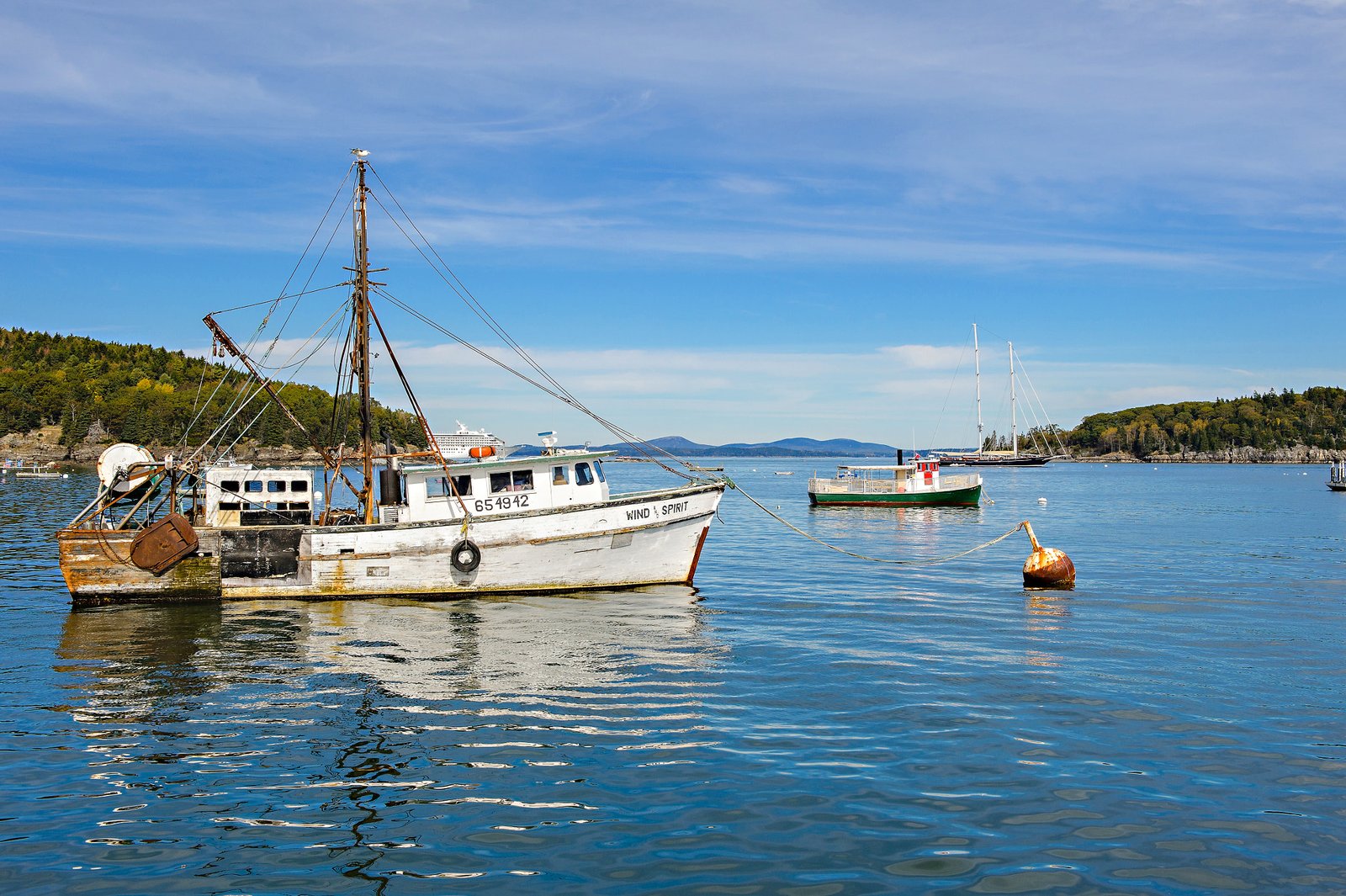
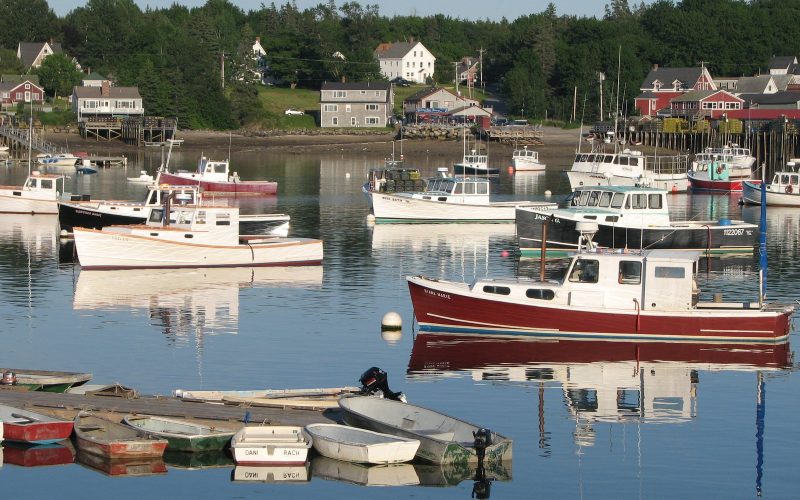
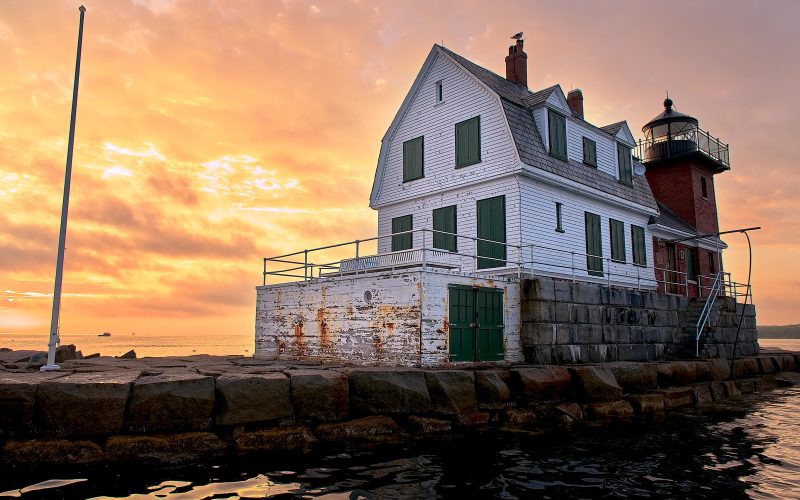
Maine, in the far north-east of the United States, is the country’s lobster state, with a long, indented coastline of harbours and islands. Its best-known food festival is the Maine Lobster Festival in Rockland, on Penobscot Bay, set for 4 to 8 August 2027.
The lobster served here is the American lobster, caught in traps along the coast. Beyond the festival, look for the lobster roll, lobster meat in a toasted bun, sold at roadside shacks along the shore.
Getting there
US Route 1 follows the coast through Rockland. Portland has the state’s largest airport. Knox County Regional Airport, near Rockland, is smaller.
Maine’s lobster fishery in numbers
Maine lobster harvesters landed 78.8 million pounds (about 35,700 tonnes) in 2025, and lobster was again the state’s most valuable fishery, with a landed value of 461,384,405 dollars, according to the Maine Department of Marine Resources.
- The catch was down more than eight million pounds on 2024, and harvesters made over 21,000 fewer fishing trips, a drop of nearly ten percent in effort.
- The department points to inflation, to uncertainty over tariffs and to a late molt that kept new-shell lobsters away from the summer fishery.
- Softshell clams were the state’s second most valuable fishery.
How Maine lobster reached the rest of America
The Maine Lobster Marketing Collaborative, the industry body, traces the trade’s growth. In the mid 1800s “well smacks”, fishing boats with tanks of circulating cold seawater, carried live lobster over longer distances. Canneries followed, and by 1880 canned Maine lobster outsold live lobster and was delivered as far as California. In the 1900s the railroads carried live lobster packed in ice and moist seaweed.
During World War II lobster was still counted a delicacy, so it was never rationed, and wealthier Americans ate more of it than ever.