
Oregon
Oregon for wine lovers: Willamette Valley tastings from 25 to 50 dollars and winery tours from 40 to 125 dollars, at six estates.
At a glance
- The Willamette Valley, Oregon’s best-known wine region
- Tastings from 25 to 50 dollars per adult at six estates
- Pinot Noir and Chardonnay from the Dundee Hills and Eola-Amity Hills
- Several estates waive the tasting fee with a two-bottle purchase
- 1culinary experience
Culinary experiences in Oregon
 Ethan Prater, CC BY
Cities and towns in Oregon
 M.O. Stevens, CC BY
Map of Oregon
What to taste in Oregon
Pinot Noir
The grape that made the Willamette Valley’s name. Archery Summit and Domaine Drouhin pour it.
Chardonnay
The valley’s other Burgundy grape, poured at Archery Summit and Domaine Drouhin.
Marionberry
A blackberry variety bred in Oregon, baked into pies and jams.
Dungeness crab
The crab of the Oregon coast, in season in winter.
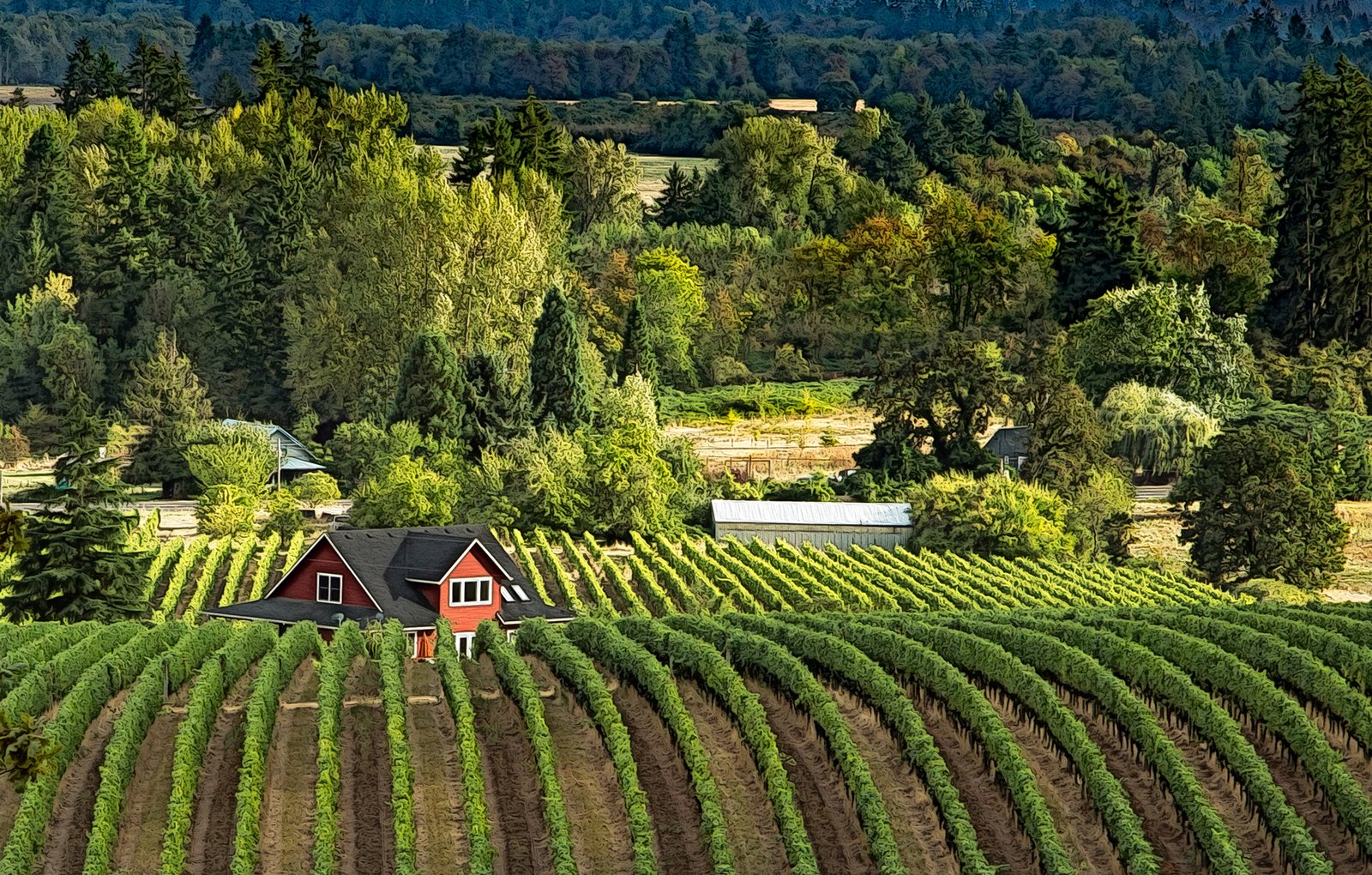
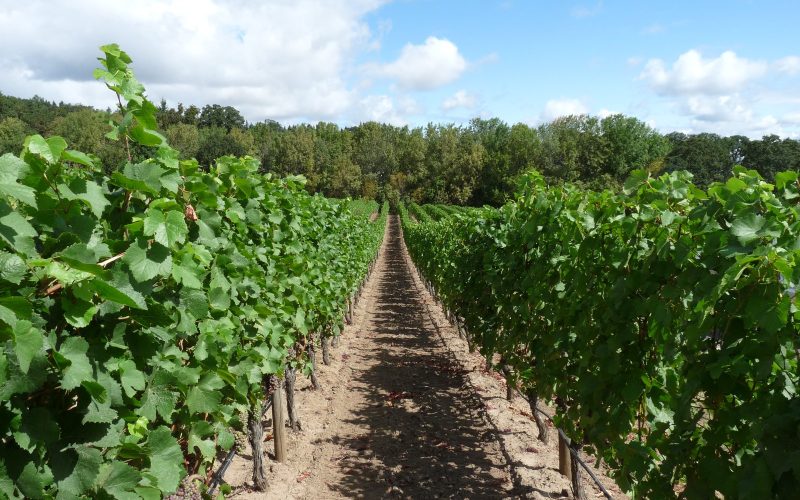
Oregon, on the Pacific coast between California and Washington, makes most of its wine in the Willamette Valley, south-west of Portland, between the Coast Range and the Cascades. Its cool climate suits Pinot Noir, the grape that made the valley’s name.
Pinot Noir since February 1965
Oregon wine is young. The Oregon Wine Board dates its Pinot Noir era from February 1965, when David Lett rooted the first cuttings near Corvallis. Dick Erath, the Knudsens and the Sokol Blossers planted many of the state’s first vineyards in the Dundee Hills soon after.
- 1979: The Eyrie Vineyards’ 1975 South Block Reserve Pinot Noir places in the top 10 of a blind tasting at the Gault-Millau Wine Olympiad in Paris.
- 1983: the Willamette Valley becomes Oregon’s first American Viticultural Area (AVA).
- 1987: the Burgundy house of Joseph Drouhin establishes Domaine Drouhin Oregon in the valley. Véronique Drouhin makes her first vintage there in 1988.
Eleven AVAs inside one
The Willamette Valley holds more than two-thirds of Oregon’s wineries and vineyards, and eleven smaller AVAs are nested inside it. Volcanic activity, marine sediment and the Missoula Floods gave each its own soils.
- Dundee Hills: an AVA since 2004, on volcanic soils of the Jory series, with about 900 hectares planted.
- Van Duzer Corridor: an AVA since 2019, named for a break in the Coast Range that brings afternoon winds 40 to 50 percent stronger than elsewhere in the valley.
- The others: Chehalem Mountains, Eola-Amity Hills, Laurelwood District, Lower Long Tom, McMinnville, Mount Pisgah, Ribbon Ridge, Tualatin Hills and Yamhill-Carlton.
Oregon beyond the wine
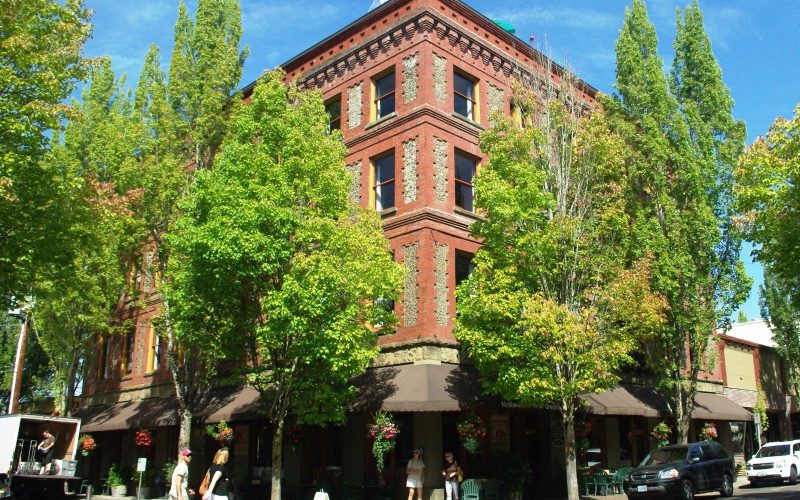
- Portland: known for its food carts, gathered in pods across the city, and its craft breweries.
- The coast: oysters.
- Orchards and fields: hazelnuts, most of the American crop.
Where the estates sit
- Addresses: the wineries in this guide are in Dayton, Newberg and Salem, the state capital.
Before you go
- Arriving: Portland International Airport is the gateway to the Willamette Valley.
- Getting around: the wineries are spread across the hills. A car is the practical way, with a driver who skips the tastings.
- Alcohol: the minimum legal age to buy alcohol is 21. Sokol Blosser’s winery tour is for 21 and over.
- Tasting fees: 25 to 50 dollars per adult in 2026, waived at three estates with a two-bottle purchase.
Frequently asked questions
What wine is Oregon known for?
Pinot Noir, above all from the Willamette Valley, with Chardonnay as its second grape.
How much is a wine tasting in the Willamette Valley?
25 to 50 dollars per adult at the six estates compared in this guide (2026 prices).
Which airport is closest to the Willamette Valley?
Portland International Airport, at the northern end of the valley.