
Mendoza
Mendoza, Argentina’s wine province: wineries in Luján de Cuyo and Maipú, Catena Zapata’s tour at 143,000 pesos (2026) and the Vendimia, 27 February to 7 March 2027.
At a glance
- Argentina’s main wine province, at the foot of the Andes
- Five wineries listed, in Luján de Cuyo, Chacras de Coria, Agrelo and Maipú
- Catena Zapata’s tour with five wines: 143,000 pesos, 1 hr 45 (October to December 2026)
- Alta Vista’s winery at Chacras de Coria was built in 1890
- The Fiesta Nacional de la Vendimia, the harvest festival, 27 February to 7 March 2027
- 1food festival
- 1culinary experience
Food festivals in Mendoza
 Javinaselli, CC BY-SA
Culinary experiences in Mendoza
 Bormidayanzon, CC BY-SA
Map of Mendoza
What to taste in Mendoza
Malbec
The red grape the province is best known for, grown below the Andes.
Asado
The Argentine barbecue of beef grilled slowly over embers.
Olive oil
Mendoza grows olives alongside its vines.
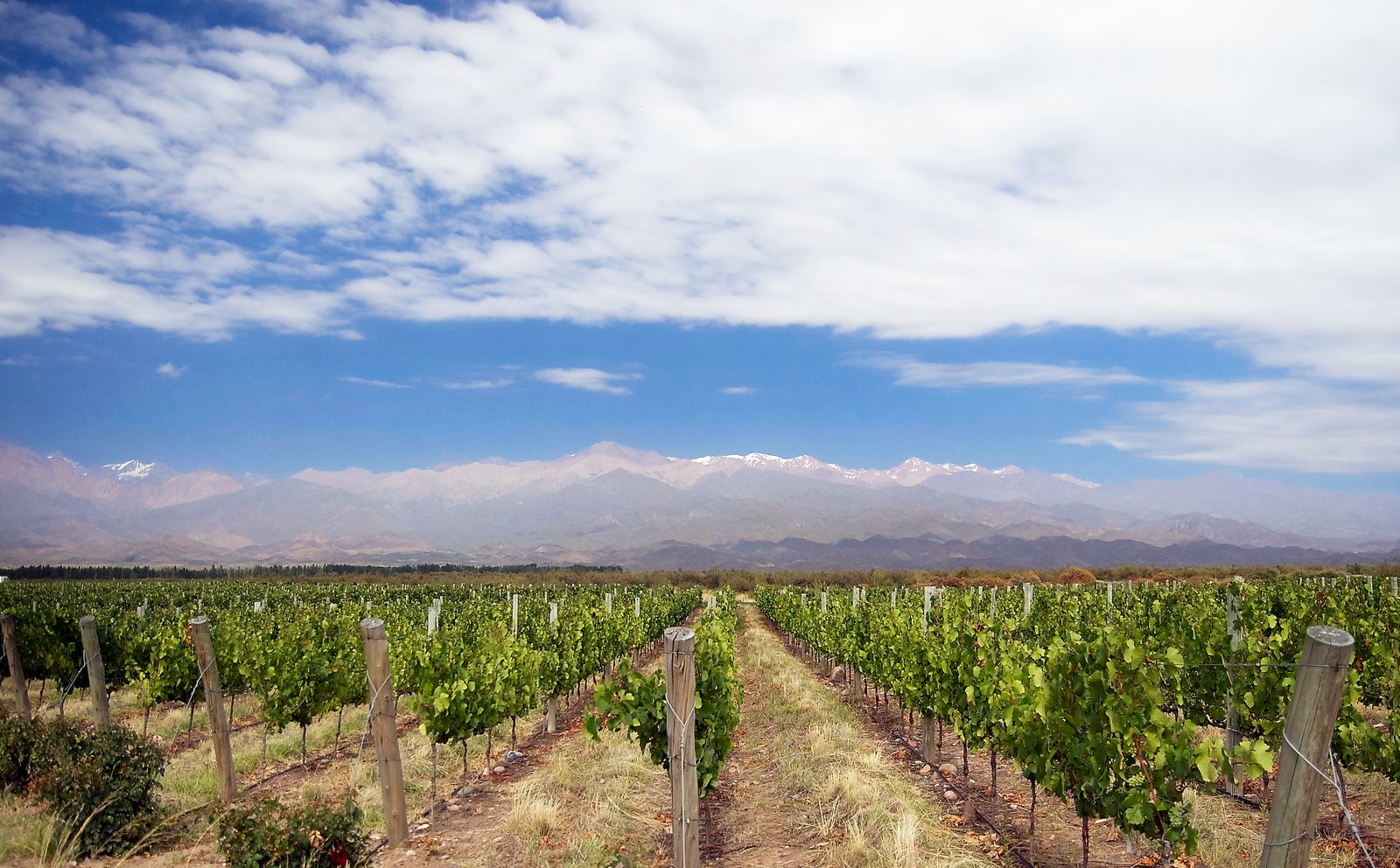
Mendoza is the wine province of Argentina, in the west of the country along the Chilean border, where vineyards are irrigated by snowmelt from the Andes.
Wineries south of Mendoza city
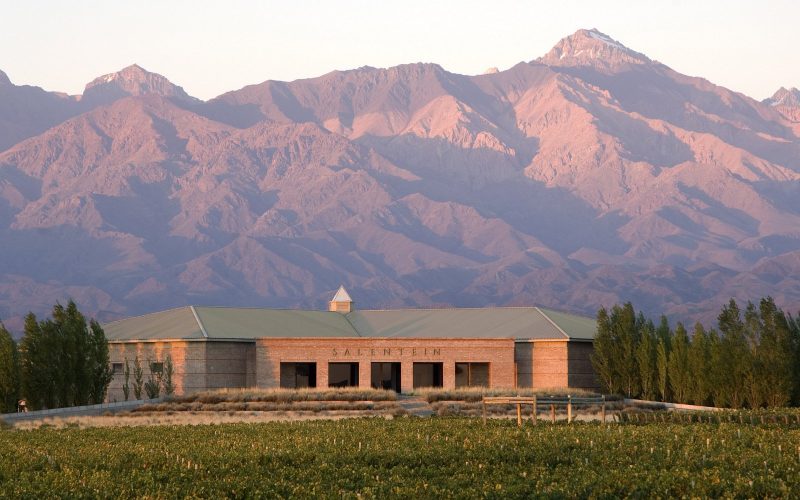
- Luján de Cuyo: Bodega Lagarde and Catena Zapata.
- Chacras de Coria: Alta Vista, in a winery built in 1890.
- Agrelo: Finca Decero, at Bajo las Cumbres 9003.
- Maipú: Bodegas López and its classic tour.
Malbec, department by department
The province had 14,593 vineyards at the end of 2024, 9.8 hectares on average, against 7.3 in 1990. Malbec fills 27.9% of its vines, ahead of Bonarda (9.8%) and Cereza (8.9%).
| Department | Malbec in 2024 | Share of Mendoza’s Malbec | Share of the department’s vines |
|---|---|---|---|
| Luján de Cuyo | 8,920 ha | 22.4% | 58.6% |
| San Carlos | 5,863 ha | 14.7% | 66.4% |
| Tunuyán | 5,679 ha | 14.2% | 55.7% |
| Tupungato | 5,042 ha | 12.6% | 47.6% |
| Maipú | 4,070 ha | 10.2% | 38.2% |
Since 2015 the province has lost 16,864 hectares of vines. Only the three departments of the Uco Valley (San Carlos, Tunuyán, Tupungato) gained vineyard area, and together they hold 41.6% of Mendoza’s Malbec.
A province of vines and orchards
- Irrigation: water from the mountains feeds the vineyards through channels.
- Aconcagua: the highest peak of the Americas rises in the west of the province.
- San Martín: the department with the most vines, 18.1% of the province’s total.
The Vendimia, a festival since 1936
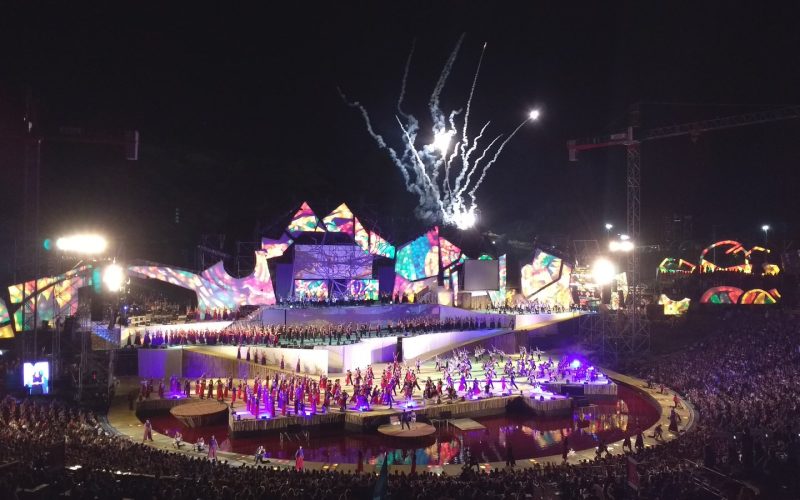
The Fiesta Nacional de la Vendimia, the harvest festival, is held in the city every year in late summer. A provincial decree made it official in 1936, under governor Guillermo Cano and his public works minister, Frank Romero Day.
- The stage: the Teatro Griego Frank Romero Day, a theatre begun in 1941, has been the festival’s permanent stage since 1963.
- The parades: the Vía Blanca de las Reinas, and the Carrusel through the city of Mendoza.
- The queen: a national harvest queen is elected and serves as an ambassador for wine.
- In 2027: the Vendimia week runs from 27 February to 7 March, with the Vía Blanca night parade (5 March) and the Carrusel (6 March) free, and the Acto Central ticketed (45,000 to 70,000 pesos for visitors in 2026).
Before you go
- Getting around: the wineries are spread across the districts south of the city. Plan a car with a driver who skips the tastings, or a tour.
- Booking: four of the five wineries here sell their visits through online booking modules. Catena Zapata takes groups of up to 10.
- Prices: in Argentine pesos, revised every quarter at Catena Zapata.
- Alcohol: the minimum legal age to buy alcohol in Argentina is 18.
Frequently asked questions
How much is a winery tour in Mendoza?
143,000 Argentine pesos per person for Catena Zapata’s tour with five wines, from 1 October to 31 December 2026.
Which areas of Mendoza have wineries?
The wineries in this guide are in Luján de Cuyo, Chacras de Coria, Agrelo and Maipú.
What wine is Mendoza known for?
Malbec, the red grape the province is best known for.
When is the harvest in Mendoza?
In late summer, around March, in the southern hemisphere.
When is the Vendimia in Mendoza in 2027?
From 27 February to 7 March 2027. The Vía Blanca (5 March) and the Carrusel (6 March) are free. The Acto Central is ticketed, at 45,000 to 70,000 pesos for visitors in 2026.