
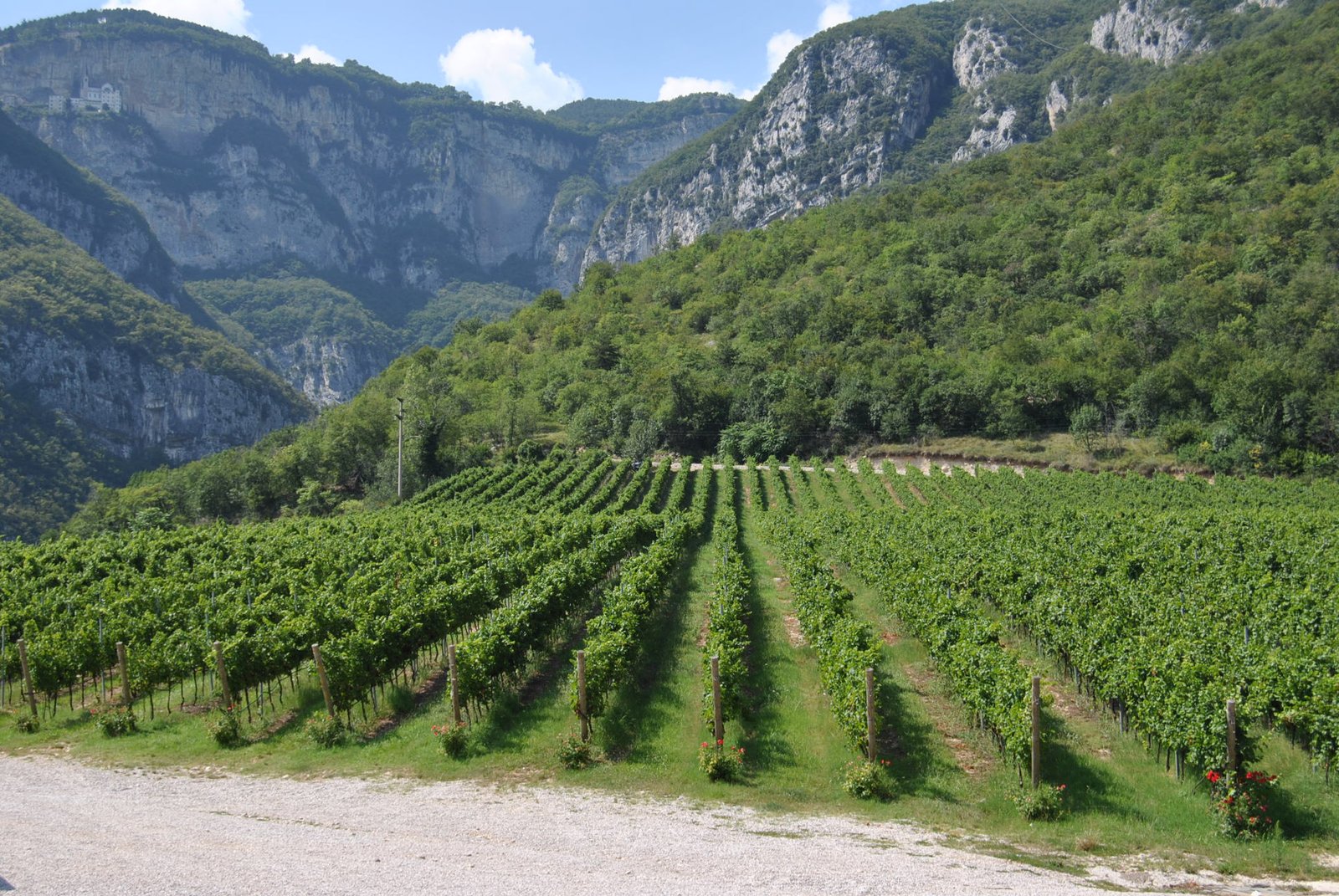
Trentino-Alto Adige
Trentino-Alto Adige, Italy’s Alpine wine region: the Merano WineFestival each November at the Kurhaus, with tickets and dates.
- 1food festival
Food festivals in Trentino-Alto Adige
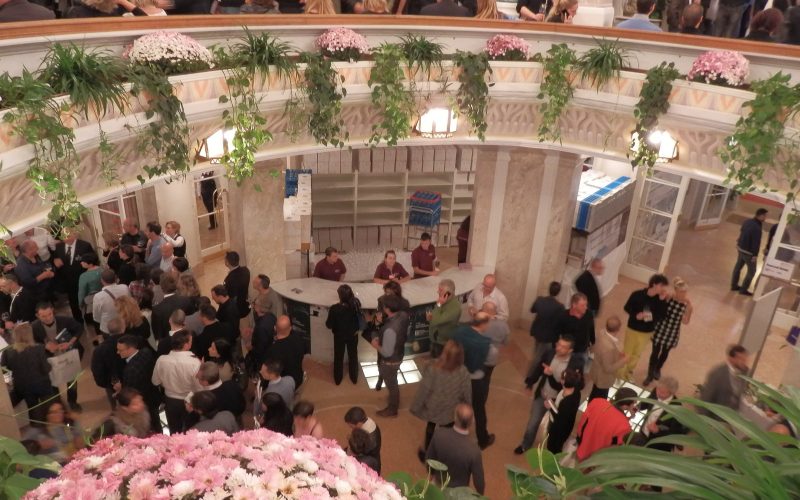 Alexmar983, CC BY-SA
Cities and towns in Trentino-Alto Adige
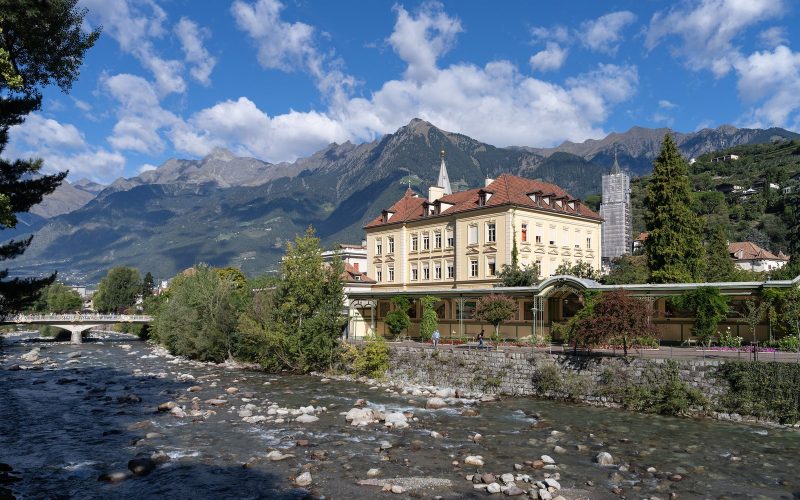 NorbertNagel, CC BY-SA
Map of Trentino-Alto Adige
Trentino-Alto Adige is Italy’s northernmost region, in the Alps, made up of two autonomous provinces: Trentino, around Trento, and South Tyrol, around Bolzano, where German and Italian are both official languages. Its wines include the white Gewürztraminer, named after the village of Tramin (Termeno), and the local red grapes Lagrein and Schiava, called Vernatsch in German.
The festival in this guide is the Merano WineFestival, held each November in Merano.
Trentino-Alto Adige’s vineyards in figures
South Tyrol is one of Italy’s smallest wine regions and one of its most varied, says the Südtirol Wein consortium, which calls its product “Alpine wine with Mediterranean charm”. Its figures: 5,860 hectares of vines, 20 grape varieties, 4,800 growers delivering to about 260 wineries, vineyards from 200 to 1,000 metres above sea level, and 96% of the area under DOC protection. White wine makes up 65% of production, red 35%.
- Of the 20 varieties, Lagrein and Vernatsch are the two that say most about their origin, writes the consortium.
- Trentodoc is Trentino’s sparkling wine, made by the classic method, with the second fermentation in the bottle, only from Trentino grapes picked by hand. The Trento DOC institute calls it the first Italian classic-method sparkling wine to obtain DOC status.
Speck, the ham of the Alps
Speck Alto Adige PGI has been protected since 1996. Its consortium lists 26 authorised producers in South Tyrol, a ripening time of 22 weeks, a smoking temperature of no more than 20 °C and a maximum of 5% salt in the finished ham.
The consortium describes it as “a delicately smoked and carefully matured product that is firmly anchored in the food culture of South Tyrol”.