
Catalonia
Catalonia for food lovers: tapas and wine tours in Barcelona’s old town, 85 to 89.99 euros per adult, and the Catalan classics to taste.
At a glance
- Tapas and wine tours in Barcelona, from 85 to 89.99 euros per adult
- Walks through the Gothic Quarter, El Born and Barceloneta
- Cava, the Catalan sparkling wine, made mostly in the Penedès
- Catalan cooking: pa amb tomàquet, butifarra, crema catalana
- 1culinary experience
Culinary experiences in Catalonia
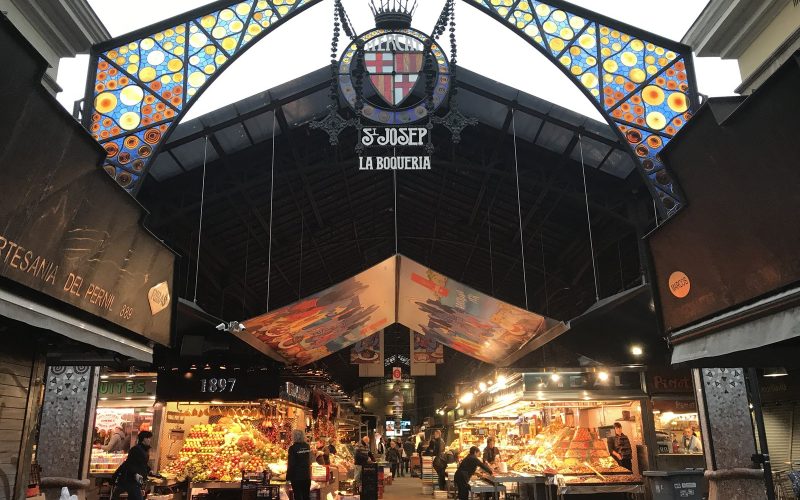 Thingstodoinbarcelona, CC BY-SA
Cities and towns in Catalonia
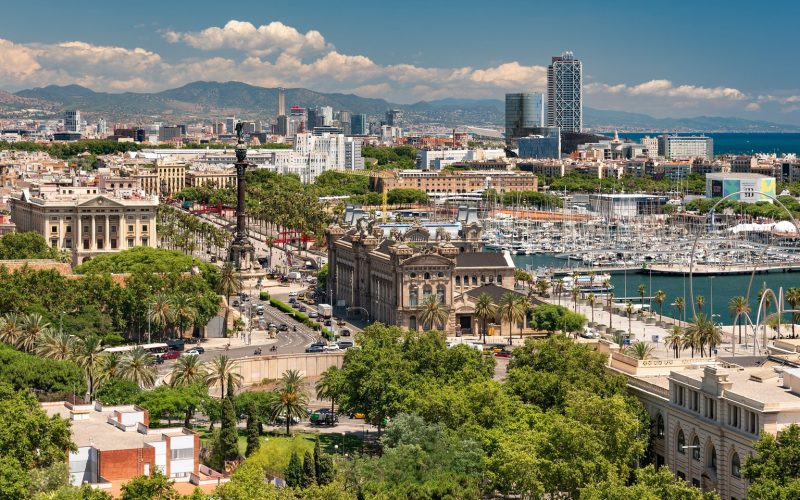 Jorge Franganillo, CC BY
Map of Catalonia
What to taste in Catalonia
Pa amb tomàquet
Bread rubbed with ripe tomato, olive oil and salt, served with almost every meal.
Butifarra
The Catalan pork sausage, grilled and often served with white beans.
Crema catalana
A custard with a crust of caramelised sugar, the classic Catalan dessert.
Cava
Sparkling wine made by the traditional method, mostly in the Penedès, west of Barcelona.
Catalonia is the north-eastern corner of Spain, between the Pyrenees and the Mediterranean, with Barcelona as its capital and its own language, Catalan, official alongside Spanish. The food experiences in this guide are tapas and wine tours in Barcelona’s old town.
Catalonia holds the title of World Region of Gastronomy 2025, awarded by IGCAT, the International Institute of Gastronomy, Culture, Arts and Tourism. The region had already been European Region of Gastronomy in 2016.
Catalonia’s wine country near Barcelona
Cava, first bottled in 1872
The Penedès, west of Barcelona, with its capital at Vilafranca del Penedès, is the home of cava, the sparkling wine of the traditional method: a second fermentation in the bottle, then at least nine months on the lees. Its regulator dates the first bottle to 1872, when Josep Raventós applied that method to three Penedès grapes in Sant Sadurní d’Anoia.
- The grapes: Macabeo, Xarel·lo and Parellada.
- The cellars: those of Codorníu, Raventós’ house, were declared a National Historic-Artistic Monument in 1976, as a key work of Catalan modernisme by Puig i Cadafalch.
Priorat, a priory in the name
Inland from Tarragona, the Priorat makes powerful red wines from slate soils.
- Rank: one of only two Spanish wine regions with the top DOCa classification (DOQ in Catalan), alongside Rioja.
- Soil: llicorella, a black slate and quartz, under Garnacha and Cariñena, the two key red grapes.
- The Carthusian monastery of Scala Dei, founded in 1194, brought the vine. Its prior ruled seven villages, which gave the region its name.
The calçotada
- When: late winter and spring, when Catalans gather for the calçotada.
- What: calçots, long sweet onions, grilled over a fire.
- With: romesco, a sauce of peppers, nuts and garlic.
- Where it began: Valls, the town where the calçotada was invented according to the Catalan heritage inventory, holds its great Calçotada Festival on the last Sunday of January.
Before you go
- Languages: Catalan and Spanish are both official. Menus and signs are often in Catalan first.
- Arriving: Barcelona-El Prat airport, high-speed trains from Madrid arrive at Barcelona Sants.
- Meal times: lunch and dinner are served late, as elsewhere in Spain.
- Tour prices: 85 to 89.99 euros per adult for the two Barcelona tours compared in this guide (2026).
Frequently asked questions
What food is Catalonia known for?
Pa amb tomàquet, butifarra sausage, crema catalana and cava, the sparkling wine of the Penedès.
How much is a food tour in Barcelona?
85 to 89.99 euros per adult for the two tours with a published adult price (2026).
Is Catalan spoken in Barcelona?
Yes. Catalan and Spanish are both official languages in Catalonia.