
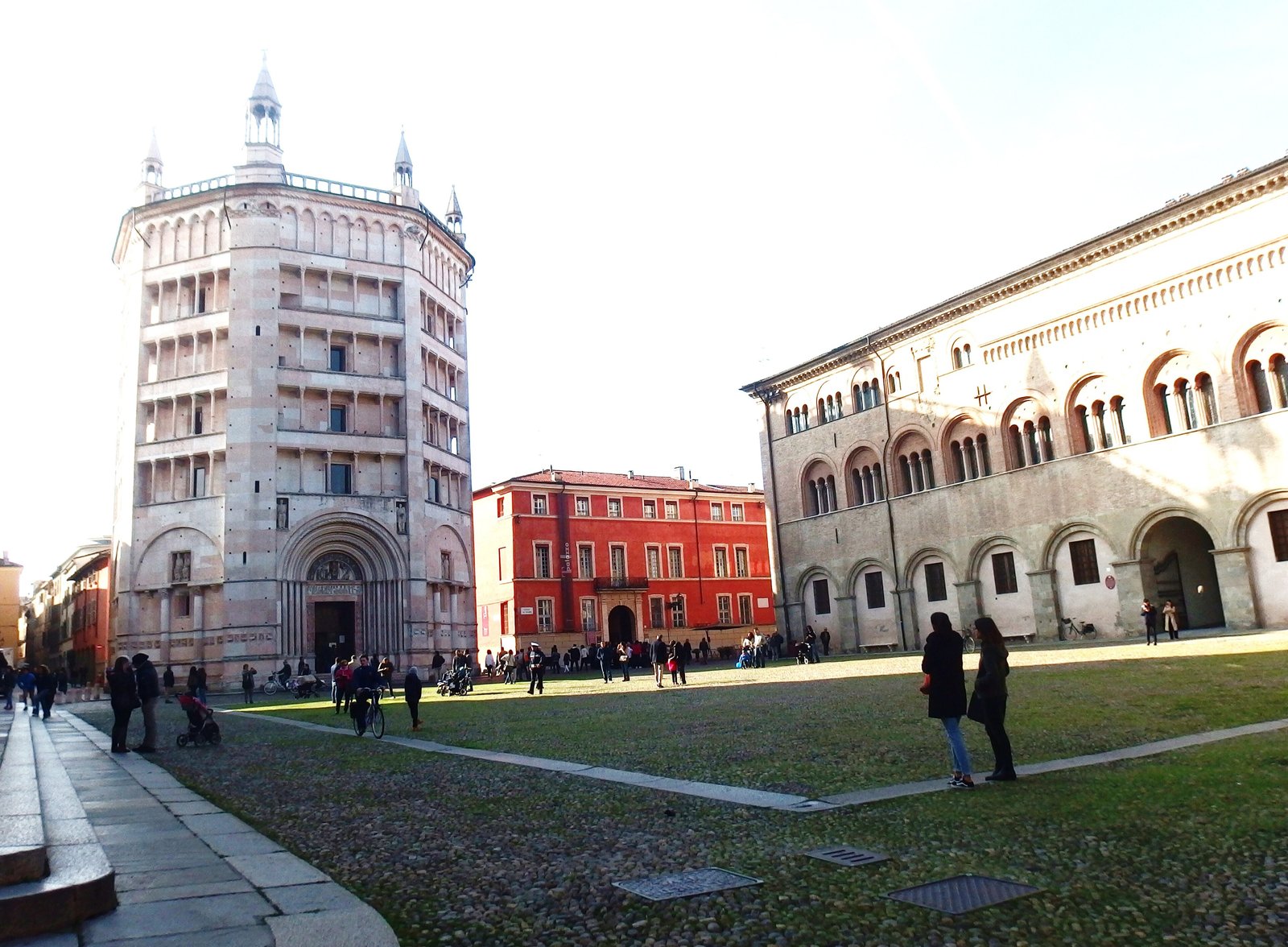
Emilia-Romagna
Emilia-Romagna, home of Parmigiano Reggiano and mortadella: guided food tours in Bologna, 69 to 89 euros per adult, with access tips.
- 1culinary experience
Culinary experiences in Emilia-Romagna
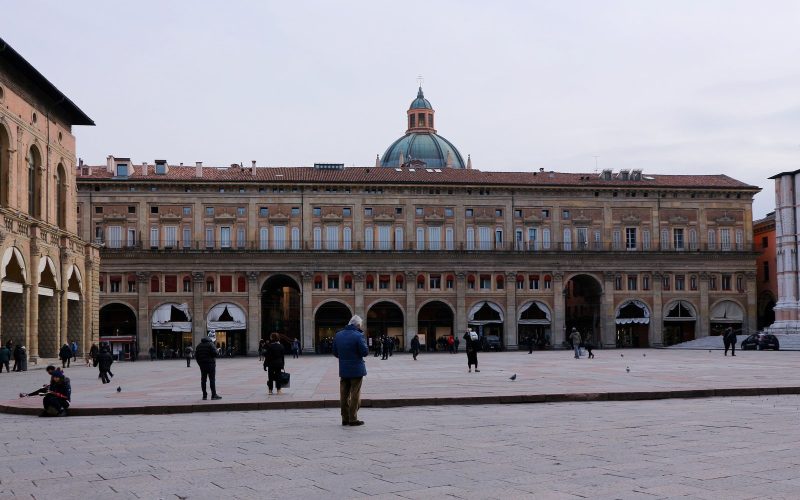 Rosapicci, CC BY-SA
Cities and towns in Emilia-Romagna
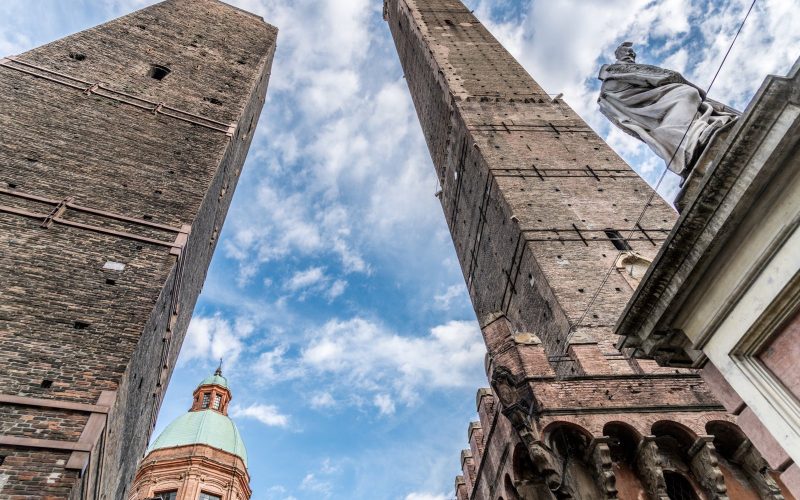 Vanni Lazzari, CC BY-SA
Map of Emilia-Romagna
Emilia-Romagna is a region of northern Italy that runs from the Po plain to the Adriatic coast, between Piacenza in the west and Rimini in the east. Several of Italy’s best-known foods come from here: Parmigiano Reggiano, prosciutto di Parma, balsamic vinegar from Modena and mortadella from Bologna, the regional capital.
The experiences in this guide are in Bologna. Four operators run guided food tours in the old centre, for 69 to 89 euros per adult and two to three hours: Eating Europe, Secret Food Tours, Delicious Bologna and Taste Bologna. Some leave in the morning, others in the late afternoon, around aperitivo time.
Getting around
The Via Emilia, the old Roman road that gives the region its name, links its main cities in a line: Piacenza, Parma, Reggio Emilia, Modena, Bologna. The railway follows the same line, and Bologna is the region’s main rail hub, on the high-speed line between Milan, Florence and Rome.
Protected names of Emilia-Romagna
Several of the region's foods are protected designations, each with a consortium that fixes the rules.
- Parmigiano Reggiano: its consortium, founded in 1934, describes the production area as Parma, Reggio Emilia, Modena, Mantua to the right of the Po and Bologna to the left of the Reno, and a history of almost a thousand years.
- Prosciutto di Parma: by law it can only be made in the hills south of the Via Emilia, at least 5 kilometres from the road and no higher than 900 metres, between the river Enza and the Stirone stream. The only ingredients allowed are pork and sea salt, with no nitrites or nitrates, and a trimmed ham loses more than a quarter of its weight as it cures. The consortium has protected the name since 1963.
- Mortadella Bologna IGP: its consortium was officially formed in 2001.
- Traditional Balsamic Vinegar of Modena DOP: aged by families in batteries of wooden barrels, under strict controls over the years.
Where to see it made
Langhirano, in the hills south of Parma, is the capital of Prosciutto di Parma. Its ham museum occupies the Foro Boario, a 1928 former cattle market, and belongs to the Food Museums circuit of the province of Parma, with the Parmigiano Reggiano Museum in Soragna, the Tomato Museum in Collecchio and the Salame Museum in Felino.
The Parma ham consortium traces the air-cured ham back to Cato in 100 BC, who wrote of legs left to dry around Parma, greased with a little oil, that could age without spoiling.