
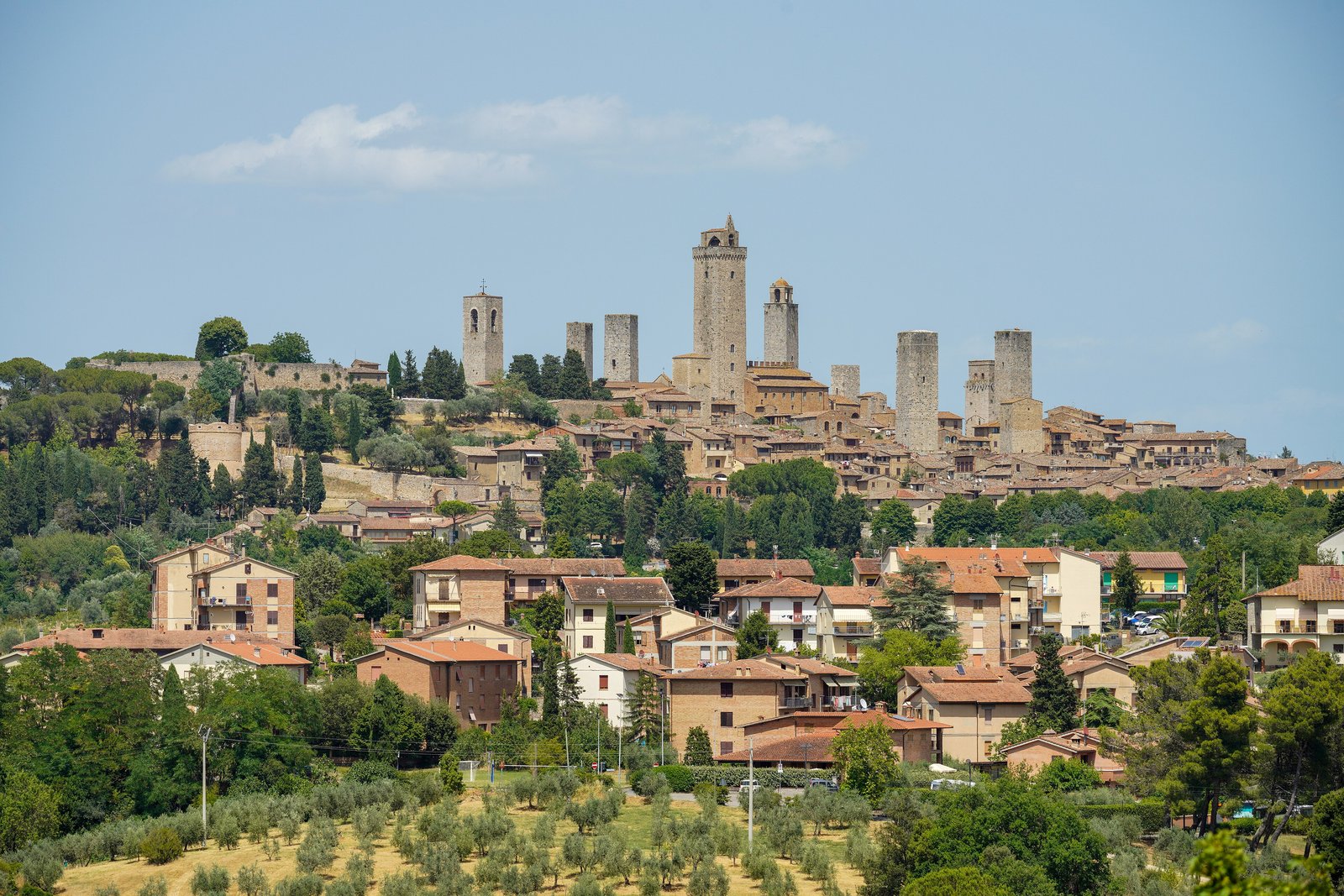
Tuscany
Tuscany for food travellers: olive oil, Chianti wine and Florence’s food markets, with practical tips.
- 1culinary experience
Culinary experiences in Tuscany
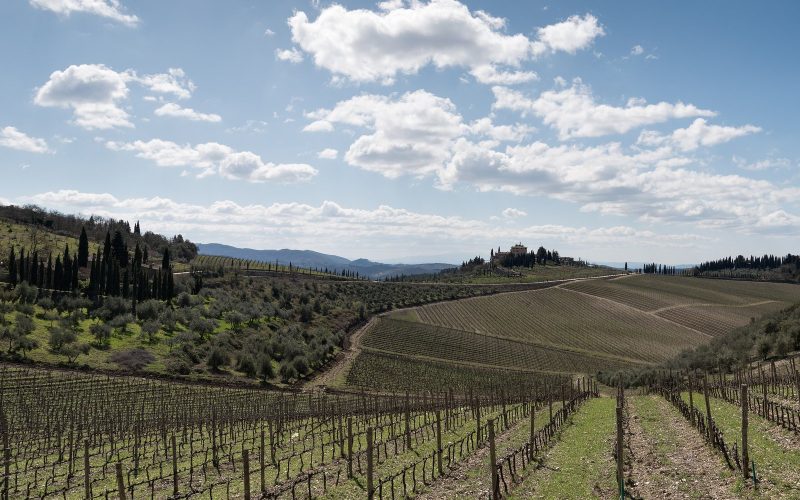 Giorgio Galeotti, CC BY
Cities and towns in Tuscany
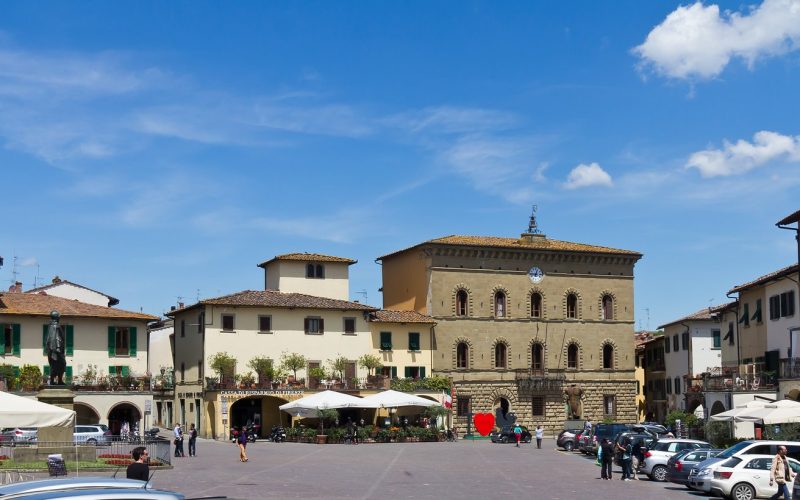 Raimond Spekking, CC BY-SA
Map of Tuscany
Tuscany, in central Italy, is known for olive oil, Chianti wine and a cooking tradition that relies on few, good ingredients. Its capital, Florence, is the easiest entry point for a food trip: the city has two main food markets.
Planning tips
Florence’s Central Market closes on Sundays and public holidays, so plan a market stop on another day.
Chianti Classico, the wine of Tuscany’s hills
The Consorzio Vino Chianti Classico, founded in 1924, was the first wine consortium in Italy. It represents 480 producers, 342 of which sell wine under their own label, all marked by the Black Rooster, the Gallo Nero.
- The zone: 71,800 hectares between Florence and Siena, covering all of Castellina in Chianti, Gaiole in Chianti, Greve in Chianti and Radda in Chianti, and parts of Barberino Tavarnelle, Castelnuovo Berardenga, Poggibonsi and San Casciano Val di Pesa.
- Since 1996 the rules have allowed a Chianti Classico made from 100% Sangiovese, in recognition of the grape’s central place in the wine.
Olive oil with a Tuscan guarantee
Tuscan extra virgin olive oil has carried the Toscano PGI (IGP in Italian) since 1998. Every stage, from the harvest to the pressing of the olives and the bottling, must take place within Tuscany. Since October 2025 each bottle wears a numbered seal from the Italian State Printing Office: scan its QR code to open the oil’s digital passport.
The consortium describes the oil’s taste as fresh notes of olive, artichoke or almond, with the typical bitter and spicy finish.
Florence’s Central Market
The iron-and-glass hall of the Mercato Centrale, inside the San Lorenzo market, was built in 1874 to a design by Giuseppe Mengoni, the architect of Milan’s Galleria Vittorio Emanuele II and of Florence’s other market, Sant’Ambrogio. Its upper floor reopened in spring 2014, for the building’s 140th anniversary, with more than 20 food stalls run by artisans.