
Japan
Japan for food lovers: guided food tours in Tokyo from 13,500 yen and in Osaka from 13,000 yen, with prices checked at the source.
- 2culinary experiences
Culinary experiences in Japan
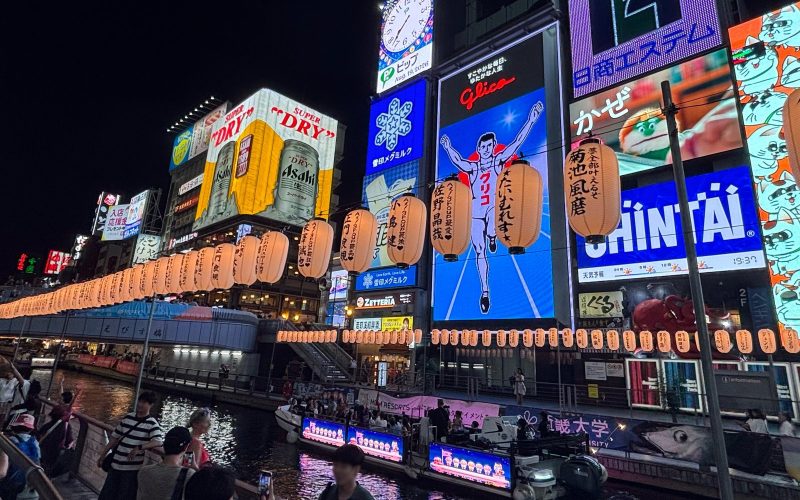 Sakai Yayoi, CC0Food tour3 to 3.5 hours
Food tours in Osaka
Guided food tours in Osaka’s Shinsekai, Dotonbori and Namba districts with four operators: 13,000 to 25,300 yen per person, 3 to 3.5 hours.OsakaView
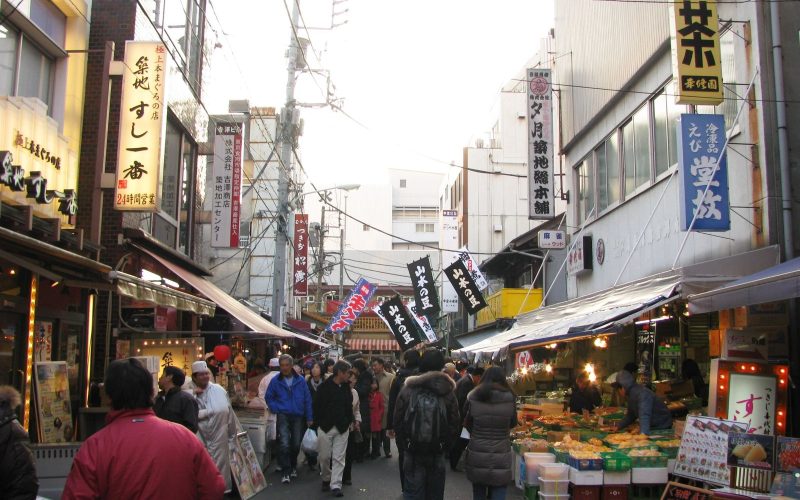 Aimaimyi, CC BY-SAFood tour2 to 3.5 hours
Food tours in Tokyo
Guided food tours in Tokyo’s Ueno and Asakusa districts with three operators: from 13,500 yen per adult, or priced in US dollars, 2 to 3.5 hours.TokyoViewRegions in Japan
 32linesky, CC BY-SA
 Morio, CC BY-SA
Map of Japan
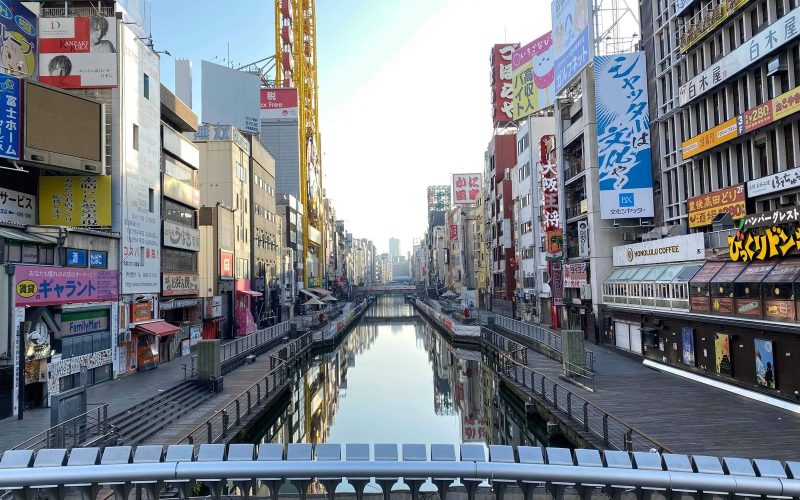
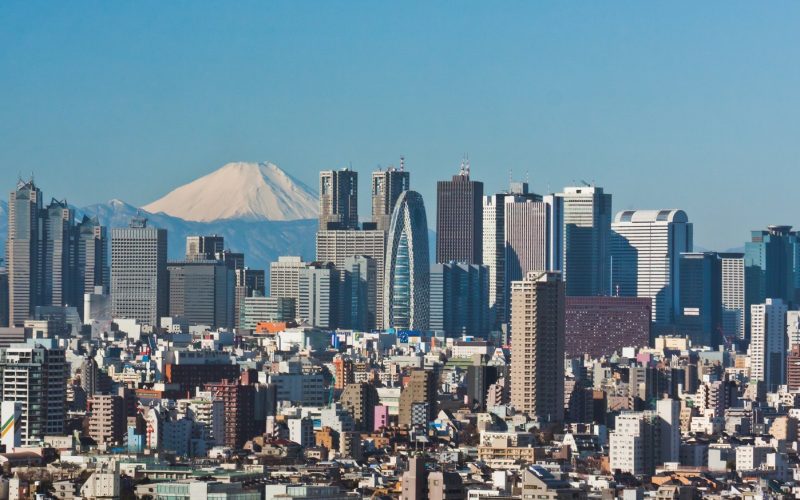
Tokyo and Osaka are the two cities in Japan where this guide compares food tours. In Tokyo, guided food tours walk the older districts of the east side, Ueno and Asakusa, with their market streets and small eateries. In Osaka, they go through Shinsekai, Dotonbori and Namba, the districts of takoyaki, okonomiyaki and kushikatsu.
Prices are set in yen or in US dollars depending on the operator. In yen, an adult tour costs from 13,500 yen in Tokyo with Arigato Travel, and 13,000 to 25,300 yen in Osaka with Hungry Osaka Tours and Arigato Travel. Tours last 2 to 3.5 hours.
Getting around
Tokyo has two airports, Narita and Haneda. Osaka is served by Kansai International. The Tokaido Shinkansen links Tokyo and Shin-Osaka in about two and a half hours on the fastest Nozomi trains. Both cities have dense rail and subway networks, and prepaid IC cards work on most lines.
Markets of Japan: Tokyo, old and new
From 1935 to late 2018, Tsukiji was home to one of the world's best-known fish markets. The wholesale section has moved to Toyosu, a man-made island in Tokyo Bay where the new market is nearly double the size of the old one, but the Tsukiji outer market stays in place. Its own association calls it Japan's "Food Town": wholesale and retail shops side by side with restaurants, where visitors eat, buy ingredients and learn to cut fish. The Tsukiji Uogashi building alone holds around 60 shops, ten minutes on foot from Ginza. In Ueno, the Ameyoko shopping street runs along the Yamanote Line tracks towards Okachimachi, its sellers calling out over clothes, spices, cosmetics and fresh fish.
Osaka, where the markets feed the chefs
- Kuromon Market has about 150 shops along 580 metres south of Sennichimae, selling seafood, fruit, vegetables and prepared food. The Osaka tourism bureau dates its origins to 1822 or 1823, when merchants sold fish from Sakai and Kishu near the Enmyoji temple, counts about 18,000 visitors on a weekday and up to 150,000 at the year's end, and notes that restaurant chefs shop there, which explains the puffer fish on the stalls.
- Dotonbori takes its name from Yasui Doton, who spent his fortune digging the canal in 1612. A district of theatres and teahouses first, it became the food and entertainment street it is today, lined with restaurants under giant signs, with Namba station just outside.
In Japan the markets open early: the Tokyo tourism office still recommends Tsukiji for a sushi breakfast.